
Low Libido
Determining how to increase libido is never a “one-size-fits-all” approach. But, with proper diagnosis and medical care, we can help treat low sex drive successfully. Maze specializes in Low Libido for patients in Westchester, New York City NYC, Connecticut and New Jersey.
Maze’s Unique Approach to Low Libido Treatment
At Maze, our approach to low sex drive, decreased libido, and sexual desire changes in men is comprehensive, medical, and individualized. Low libido is often multifactorial—not “just in your head.” Unlike standard clinics that treat symptoms in isolation, Maze evaluates hormonal, neurological, psychological, and relational factors together to uncover the full picture behind a patient’s symptoms.
- Advanced hormone testing (testosterone, free testosterone, prolactin, DHEA-S, thyroid hormones)
- Erectile and ejaculatory function assessment
- Review of mental health, medications, and brain chemistry
- Lifestyle and behavioral analysis (including pornography habits, relationship dynamics, and stress)
- Integration of evidence-based therapies including TRT, dopamine-supporting medications, and targeted supplements
This thorough evaluation allows us to not only identify the medical root causes but also develop a personalized treatment plan that restores desire, motivation, and sexual well-being.
Symptoms & Diagnosis of Low Libido
Low libido can present in many ways, including:
- Decreased interest in sex or sexual activity
- Reduced desire for intercourse but normal masturbation desire
- Difficulty becoming mentally aroused
- Emotional distance or reduced intimacy
- Avoiding sexual situations
- Feeling “not yourself,” less confident, or less connected
- Disruption in ejaculation or orgasm

A true diagnosis requires looking at medical factors, hormone panels, and brain chemistry alongside personal experience. At Maze, diagnostic workup may include tests for:
- Testosterone and free testosterone
- Prolactin (to rule out prolactinoma)
- DHEA-S (adrenal function)
- Thyroid hormones (TSH, Free T3)
- Medication review (SSRIs, SNRIs, bupropion)
- Lifestyle, pornography use, sleep, and mood
Treatment Options for Low Libido
Maze tailors treatment based on the specific drivers of a patient’s libido concerns. Treatment may include:
1. Testosterone Replacement Therapy (TRT)
For consistently low available testosterone. TRT can produce significant improvement in libido, though it may take up to 9 months to feel full benefits.
Notes:
- TRT temporarily halts sperm production—men wishing to conceive may use HCG instead.
2. Prolactin Management
3. DHEA-S Supplementation
4. Thyroid Optimization
5. Medication Adjustments for Depression/Anxiety
SSRIs often decrease libido. Options include:
- Lowering SSRI dosage
- Switching to a medication with fewer sexual side effects
- Adding bupropion to increase dopamine
- Adjusting treatment for anxiety/OCD while preserving sexual function
6. Dopamine-Focused Strategies
Increasing dopamine—via medication like bupropion or behavioral changes—can improve sexual desire and motivation.
Reducing excessive pornography use may also restore dopamine pathways.
7. Psychological & Relationship Support
Results
What Patients Can Expect
With proper diagnosis and targeted treatment, most men experience:
- Stronger sexual desire
- Improved erectile function
- Better energy and mood
- Increased motivation and drive
- Greater intimacy and connection with partners
- Reduced anxiety and frustration related to sexual performance
In the majority of Maze patients, libido improves substantially once the underlying causes are identified and treated.

Management & Risks
Every treatment carries considerations:
Testosterone Therapy
- May suppress sperm production (temporary)
- Requires ongoing monitoring of levels and symptoms
- Takes months to reach full libido improvement
Prolactin Treatment
Medication may not fully restore testosterone—TRT may still be needed
DHEA-S Supplementation
- Must be high-quality and medically supervised
- May influence other hormonal pathways
Antidepressant Adjustments
- Each person responds uniquely
- Some medications may worsen or improve libido
- Abrupt changes can destabilize mood
Lifestyle Factors
- Excessive pornography use can reduce dopamine and desire
- Stress, lack of sleep, and relationship issues may worsen symptoms
How to Become a New Patient
Schedule a Free Phone Consultation
Your journey begins with a quick, confidential phone call with one of our Patient Care Coordinators. We’ll discuss your symptoms, explain what to expect, and schedule your first appointment at a convenient location.
Complete Your Intake Forms
Before your visit, you’ll receive secure online forms to share your medical history, medications, and goals. This helps our providers prepare for your evaluation and design a tailored plan from day one.
Comprehensive First Appointment
Your initial consultation lasts 45–60 minutes and includes a detailed review of your medical, sexual, and lifestyle history, lab testing (including hormones), and discussion of both physical and psychological factors that may be contributing to delayed ejaculation.
Begin Your Personalized Treatment Plan
Based on your evaluation, we’ll create a customized plan that may include medications, hormone therapy, behavioral techniques, or desensitization exercises—all designed to improve function, pleasure, and confidence.
About Dr. Werner and Maze
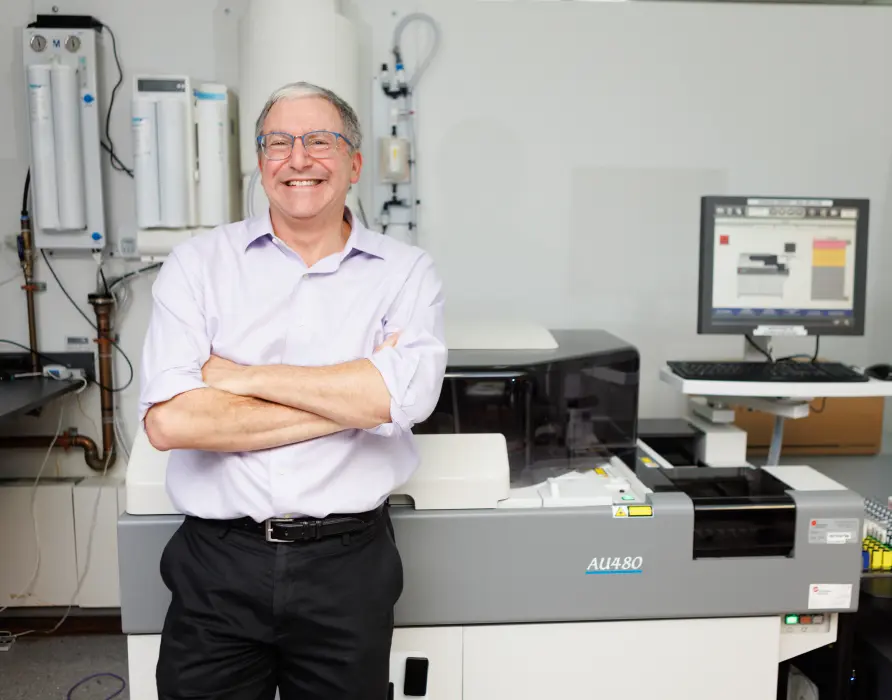
About Dr. Werner
About Maze



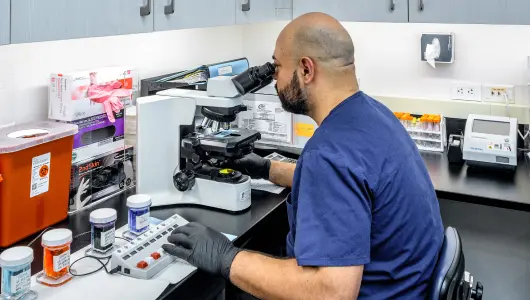
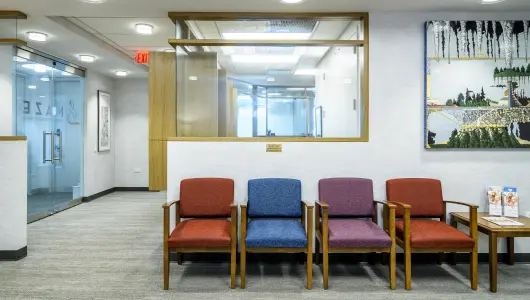


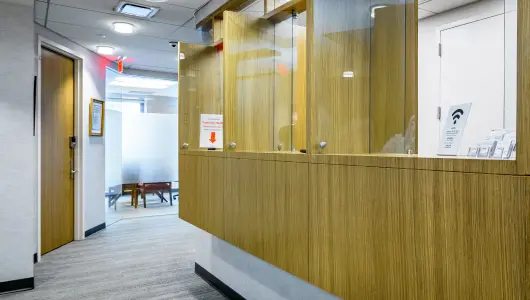
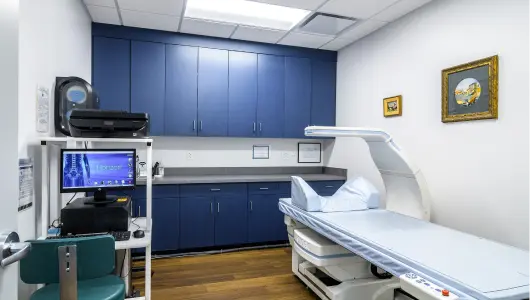
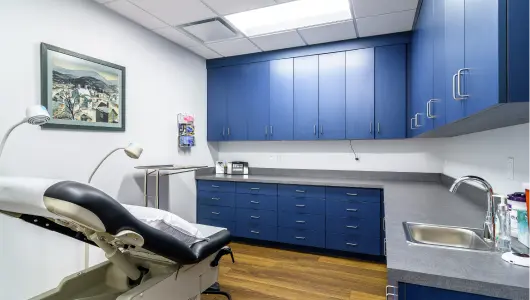
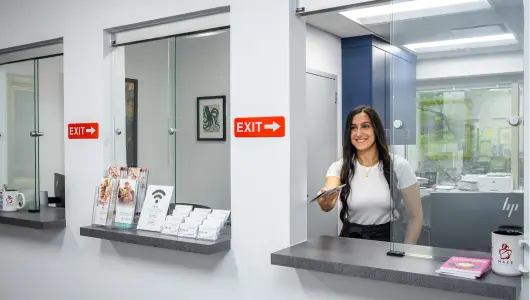
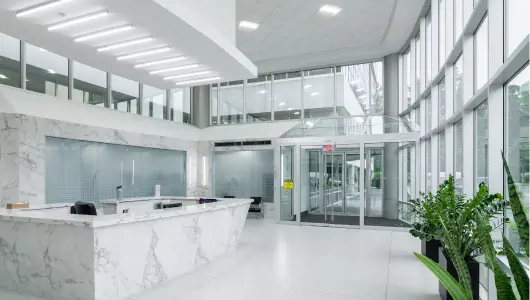
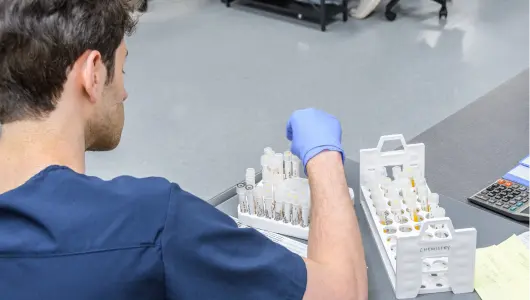
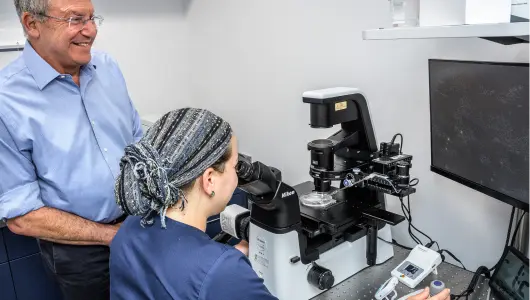
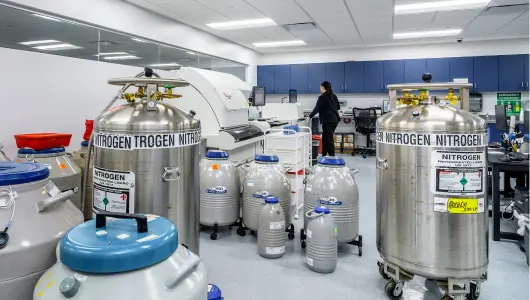
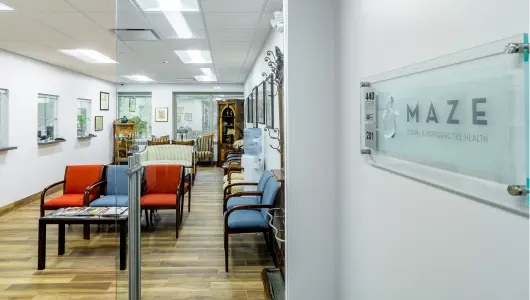
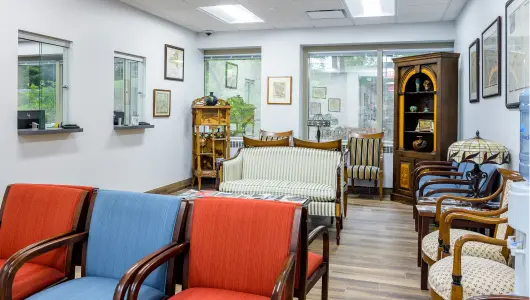
Maze facility
Areas served

Patient Stories
Suffered from low libido for over four years. Dr Werner works miracles!!!
By the time I found Dr. Werner I had been having symptoms for over four years. I had no energy, was tired all the time, no sex drive and could not get an erection. On top of that, I was overweight and could not take the weight off. I had never even talked to another doctor about my problems because I just figured that this was just how my life was going to continue.
One day, I was reading the newspaper and I came across and ad for the Andropause Center — it described all of my symptoms! I called the number, and made an appointment to come in. I was excited to call, since I thought that maybe I could finally feel better.
The first appointment was, at first, a little embarrassing for me. I was asked a lot of questions, and was given a very full physical, but once I saw that they were so careful and thorough, I got over my embarrassment really quickly. Once Dr. Werner and his team had all of my tests back, they started me on a medication immediately. Dr. Werner quickly switched me to another medication when he saw my results were not as good as they could be, and now I am on the perfect medication! Not only did they find out what was wrong with me, but they continued to work with me until I was really feeling great. It’s been eight months now, and I have all of my energy, a great sex life, and I have lost 20 pounds!!!
My advice to anyone out there that is having problems is to ask questions immediately — you don’t have to live that way. Get help. And come see Dr. Werner — he works miracles!!!!*
CC, CT, age 52
I feel 10 years younger and am finally interested in sex again.
I feel that the treatment has been life changing. I am interested in sex and having sex again with my wife. I literally feel 10 years younger.* I am stronger and working out more. My old man droopy body is disappearing.
Thanks so much!
R, PA, Age 54
Frequently Asked Questions
What counts as low libido?
Low libido is defined by your experience. If you feel your desire is lower than usual or impacting your relationship, it qualifies—regardless of testosterone levels.
Can medications cause low sex drive?
Is low testosterone always the cause?
Does TRT fix libido immediately?
No—TRT can take up to 9 months for full libido improvement.