
Treatment Options
Behavioral Treatments
Behavioral therapies can help many men gain control and reduce anxiety related to PE. Our providers coach patients on techniques that are realistic, effective, and non-disruptive to intimacy.

Common Strategies Include:
- Masturbation before intercourse to lengthen refractory time
- Adjusting sexual positions to reduce stimulation
- Resensitization tools such as masturbation sleeves to reduce hypersensitivity
- The “Sandwich Technique” (ejaculating first, then resuming intimacy once arousal resets)
While older methods like the “start-stop” and “squeeze” techniques exist, Maze focuses on modern, evidence-backed strategies that prioritize enjoyment and connection.
Medical Treatments
Topical Therapies
- EMLA cream (lidocaine + prilocaine) and Promescent spray are numbing agents that reduce penile sensitivity and increase duration.
- Applied before intercourse, then wiped off to avoid partner transfer.
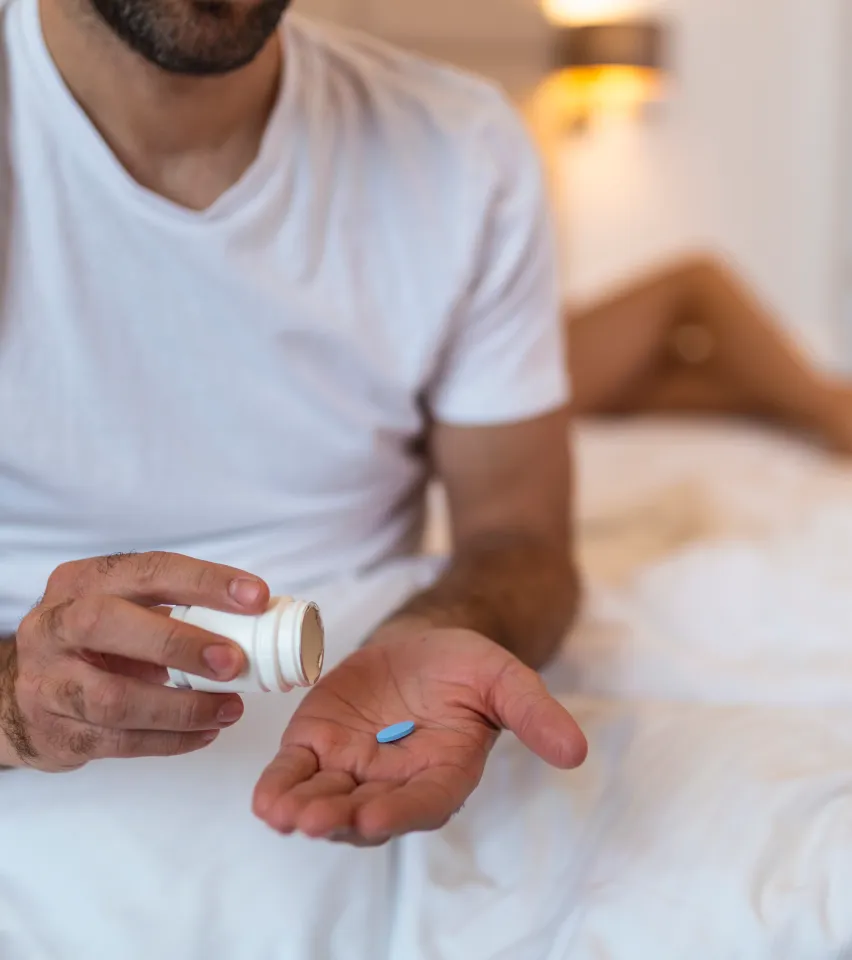
Oral Medications
- SSRIs such as sertraline (Zoloft), paroxetine (Paxil), and fluoxetine (Prozac) are the most effective long-term pharmacologic treatment for PE.
- These drugs delay climax by boosting serotonin, the neurotransmitter that helps control ejaculation reflexes.
- Dapoxetine, a short-acting SSRI used worldwide, is not yet FDA-approved in the US.
PDE5 Inhibitors (Viagra, Cialis, Levitra, Stendra)
Intracavernosal Injections
Combination Therapy
Most men see the best results when behavioral and medical treatments are used together.
Example:
- Masturbate two hours before sex
- Take Cialis 1–2 hours prior
- Apply Promescent before intercourse
This structured approach increases stamina and confidence — balancing planning with spontaneity.
Understanding Ejaculation:
The Science Behind It
- Emission: Seminal fluid enters the urethra.
- Ejaculation: Muscles contract rhythmically to expel semen.
- Orgasm: The brain’s pleasure response that usually occurs simultaneously.
Premature ejaculation begins when this sequence activates earlier than intended.


Factors That Influence Ejaculation
A complete evaluation looks at the systems that regulate ejaculation:
- Central Nervous System: Neurotransmitters like serotonin (delays ejaculation) and dopamine (speeds it up)
- Hormones: Thyroid hormone and testosterone levels affect libido and timing
- Prostate Health: Inflammation or prostatitis can increase PE risk
- Erectile Function: Anxiety or weak erections can trigger early climax
- Genetics: PE may run in families due to inherited serotonin receptor differences
Evaluation and Diagnosis
During your first appointment (45–60 minutes), your provider will:
- Take a detailed medical and sexual history
- Assess erection quality, rigidity, and timing
- Ask about relationship factors, prior treatments, and frequency of ejaculation
- Perform a focused physical exam (penis, testes, and sometimes prostate)
- Conduct biothesiometry testing to measure penile sensitivity
This comprehensive evaluation helps identify lifelong vs. acquired PE and informs your personalized treatment plan.